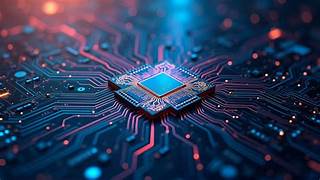
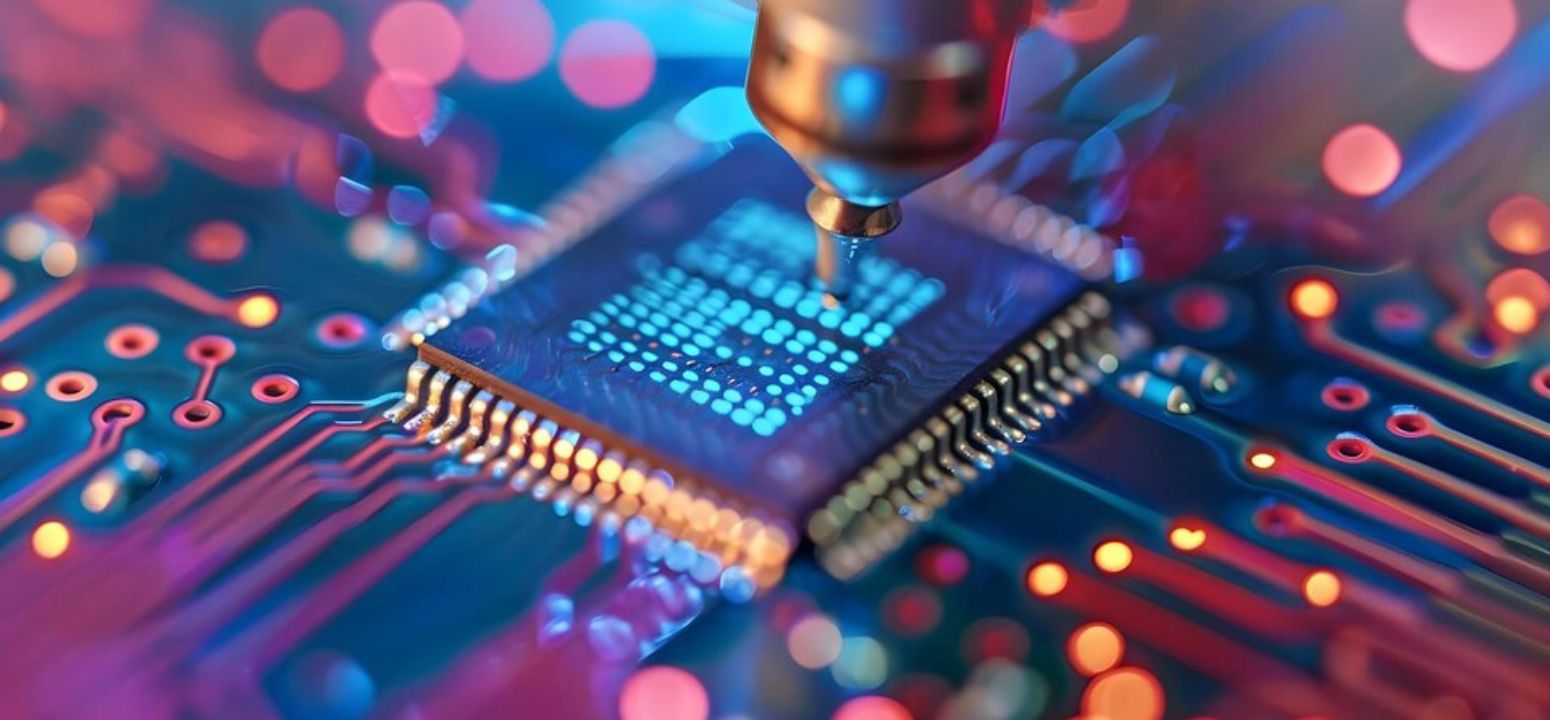
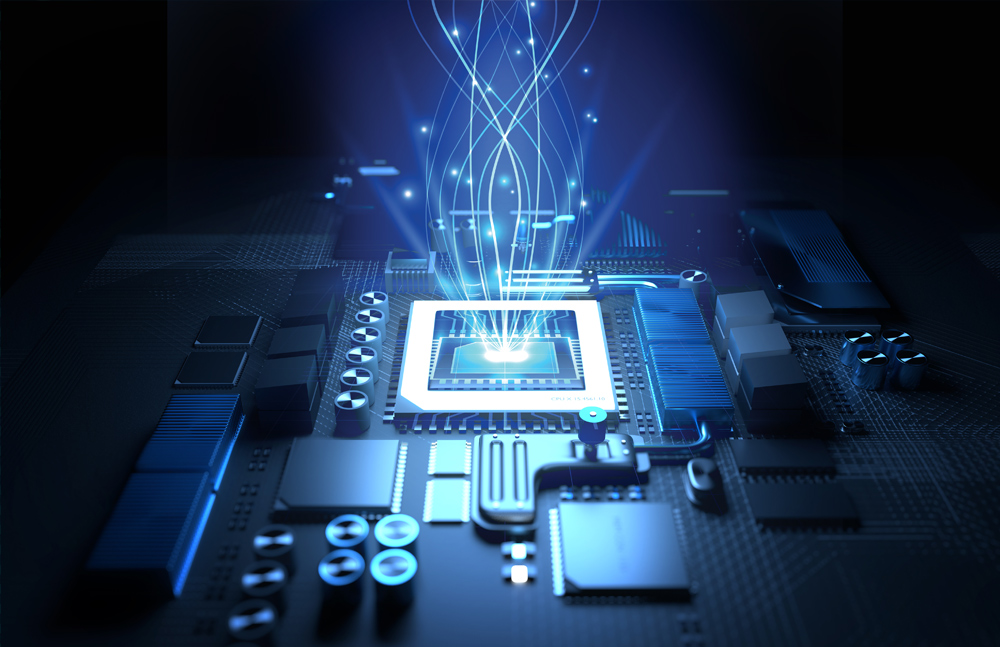
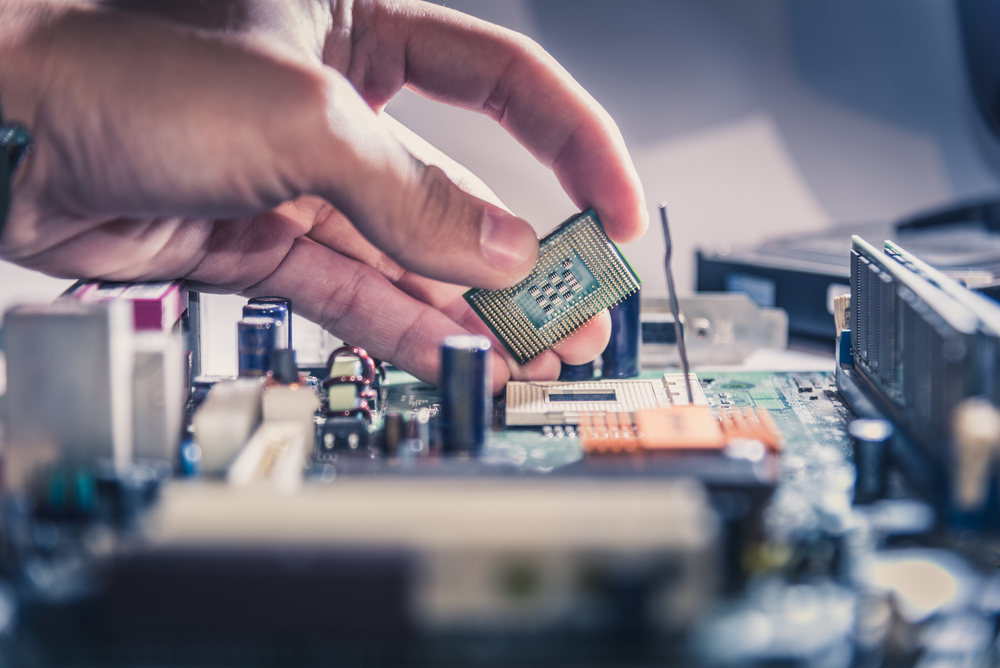
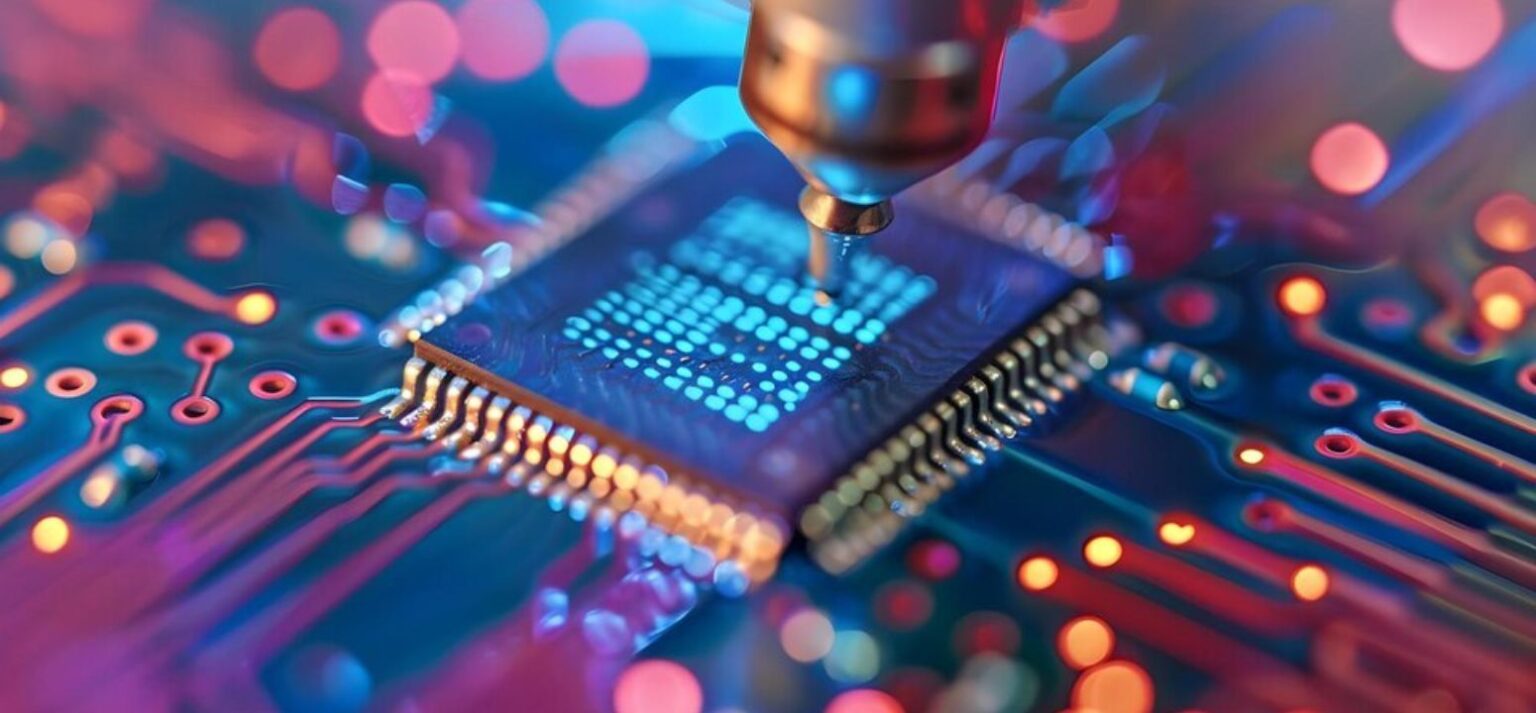
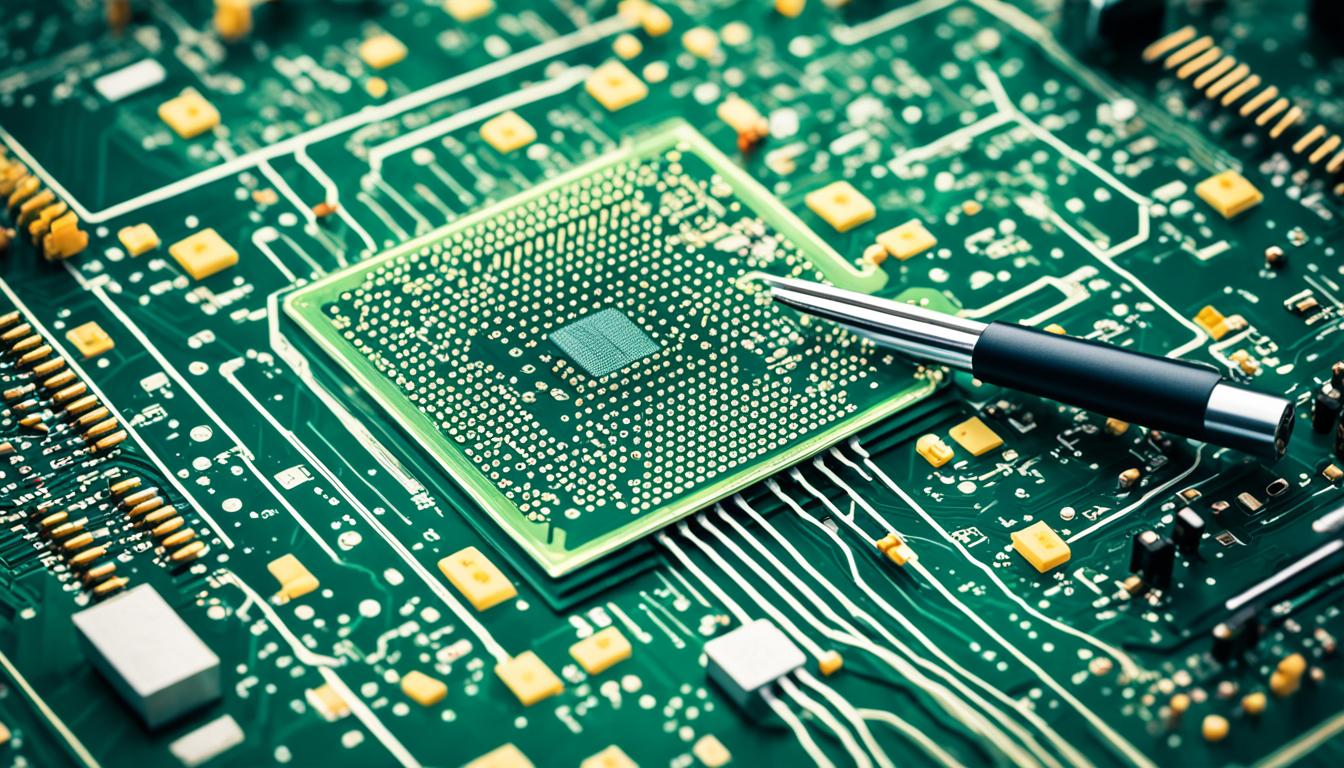
VLSI (Very Large Scale Integration) is a technology used to integrate thousands to millions of transistors onto a single semiconductor chip. It enables the creation of compact, high-performance, and low-power electronic circuits used in microprocessors, memory chips, and embedded systems.
VLSI revolutionized electronics by allowing complex functions to be implemented on small chips. This advancement made modern computers, smartphones, and IoT devices possible, greatly enhancing processing speed, reliability, and efficiency while reducing size and cost
Vision
To develop skilled professionals in VLSI who drive innovation in semiconductor technology and meet evolving industry demands.
Mission
To provide strong theoretical knowledge and practical skills in VLSI design, preparing students for careers in electronics and chip design.
Values
The course promotes innovation, excellence, integrity, collaboration, and sustainability to develop skilled, ethical, and future-ready professionals in VLSI design and semiconductor technology.
Basics of semiconductor devices and CMOS technology
Covers fundamentals of diodes, transistors, and CMOS fabrication, enabling understanding of how integrated circuits function at the physical level.
Digital and analog VLSI design techniques
Introduces design principles for digital and analog circuits, focusing on logic gates, amplifiers, timing analysis, and power optimization in chip design.
HDL (Verilog/VHDL) coding and simulation
Teaches hardware description languages used to model, simulate, and test digital systems, preparing students for real-world VLSI design implementation.
Get a Free Demo Today and Experience the Future of Digital Learning! Demo today